
Spaying and Neutering Your Cat: What Families in Latin America Should Know
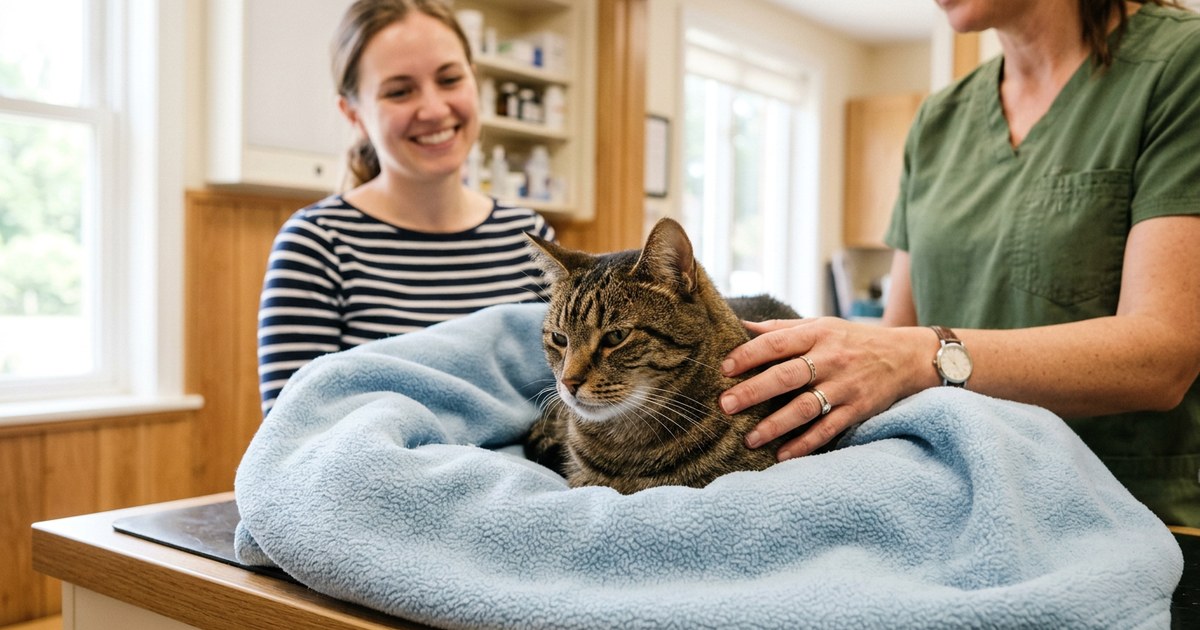
Few decisions shape a cat's life as much as sterilization. Veterinary schools, including UC Davis, publish owner guides on spaying (females) and neutering (males), and the topic matters for almost every family that shares a home with a cat.
One note first: we could not open the full page, so we only know its title and a short description. Below we keep to general, widely accepted ideas and we have not verified the page's specific details, such as ages or figures.
Why this matters where you live
In many Chilean and Latin American cities, cats move freely between patio, roof and street. An unsterilized cat tends to roam more, mark territory and look for mates, which raises the chances of fights, accidents and unplanned litters. Shelters and rescue groups in the region are often full, so fewer unplanned kittens helps the whole community.
What does the evidence say?
The UC Davis School of Veterinary Medicine publishes its health topics pages as educational material for owners. From the title and summary, the page covers the procedures themselves, and we cannot confirm which studies, if any, it cites. No DOI was available, so we cannot point to a specific paper.
In general, veterinary organizations see sterilization as a routine surgery that prevents pregnancy, reduces some reproductive problems and often calms mating-related behaviors. It is not a cure for every behavior issue, and the best timing can depend on the individual cat. Your veterinarian can explain the current recommendation for your cat.
Practical steps at home
- Talk to your vet early. Ask about the right age, the cost and what the visit includes.
- Look for low-cost options. Many municipalities, universities and animal welfare groups in Latin America run sterilization campaigns.
- Prepare for surgery day. Follow the fasting instructions your clinic gives you.
- Plan the recovery. Keep your cat indoors, in a quiet and warm place, and stop jumping and rough play while the wound heals.
- Watch the incision. Check it daily and prevent licking, with a collar if your vet recommends one.
- Keep an eye on weight. Some cats gain weight afterward, so measure food and encourage play.
When to call the vet
Contact your veterinarian if the wound is open, swollen, red or has discharge, if your cat refuses food for more than a day, vomits repeatedly, seems very weak, or has trouble urinating.
A caring decision
Sterilizing a cat is a way of protecting their health and keeping family life calmer. Every cat is different, so always consult your veterinarian before deciding, and never give human medicines for pain.
Original source: healthtopics.vetmed.ucdavis.edu